draw io tutorial tree container
features shapes
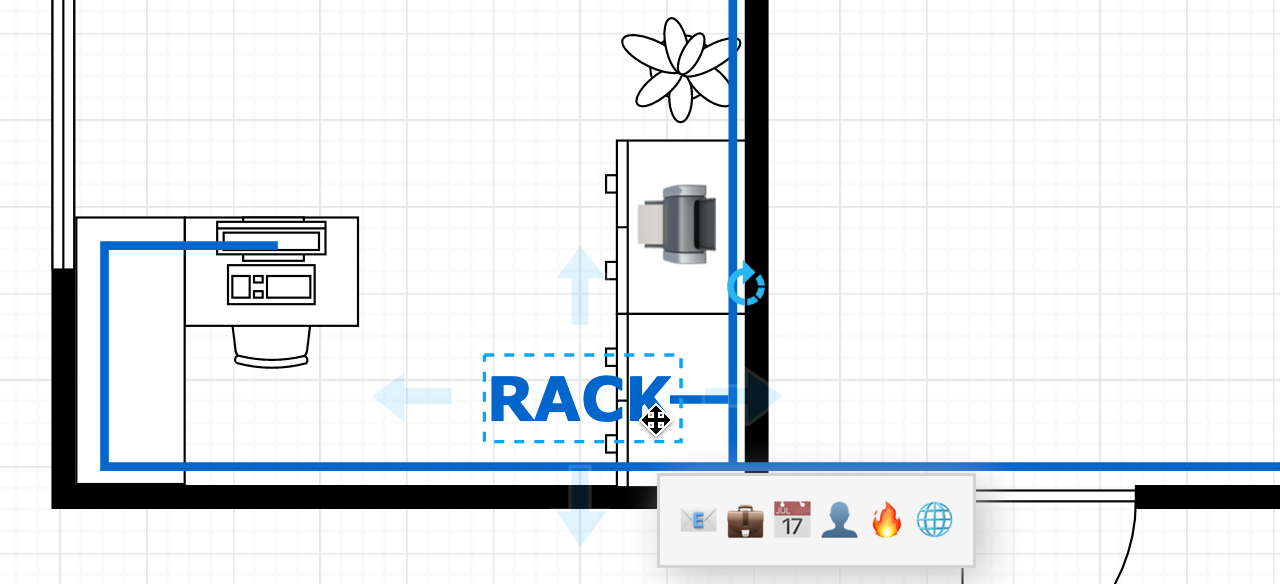
Use emoji in labels and tooltips
Emoji are being used in all communications at all levels of society - a single picture takes up less space and conveys more information than its matching text. You can use the Unicode emoji in shape and connector labels, and in tooltips in your diagrams.
features connectors
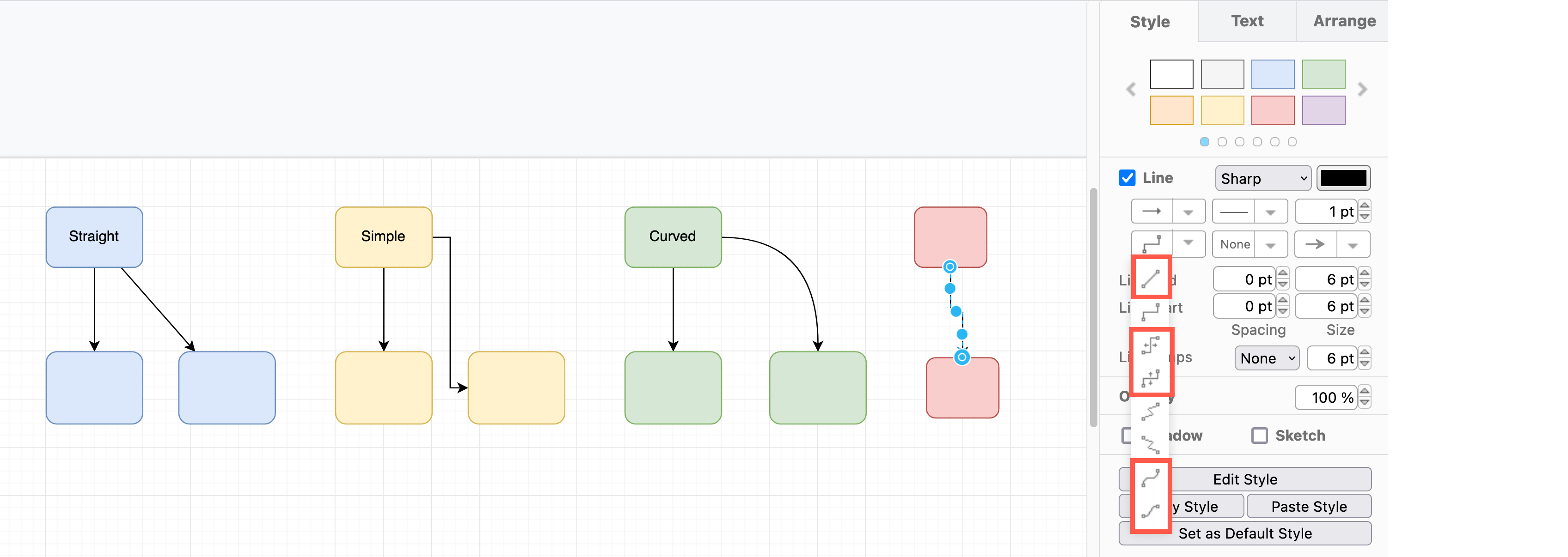
Straighten connectors in diagrams
When working with connectors in diagrams, sometimes you may find a floating connector is not straight between two shapes. You can straighten such connectors quickly and automatically by changing the path style. Depending on where the connected shape is, the connector will straighten automatically.
integrations trust features
Store diagram files on cloud platforms
When you use diagrams.net or one of our draw.io apps and integrations, you choose where to store your diagram files. Create unlimited diagrams and store them on your favourite cloud platform. diagrams.net doesn't store your diagram data, so you don't need an account to open and edit your files.
integrations trust features
Run your own diagrams.net server with Docker
Run your own diagramming server using our Docker image of draw.io. This image includes server-side support for export to PDF, image and .vsdx formats, diagram storage with Google Drive, OneDrive and PlantUML diagram generation, without any dependency on the diagrams.net website.

features
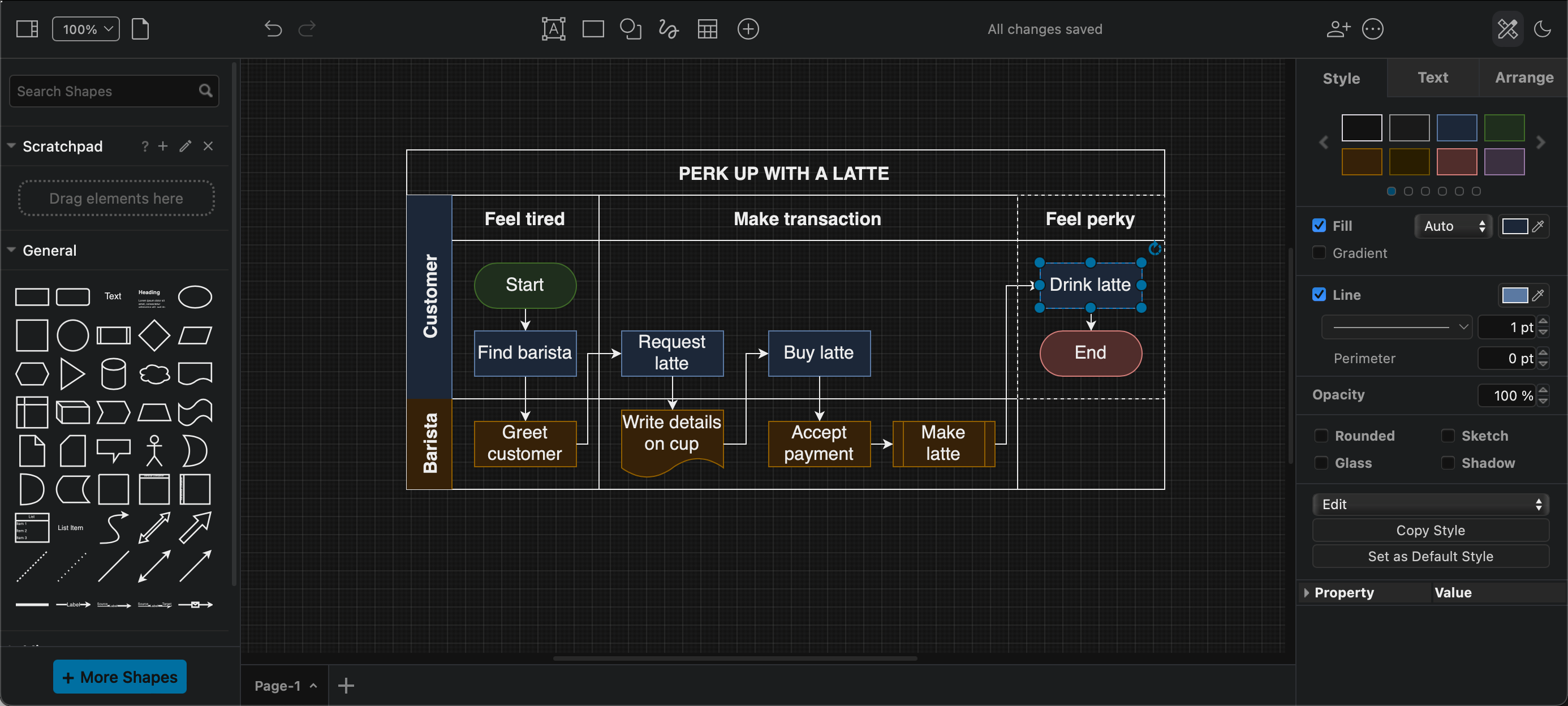
Use the diagram editor in dark mode
The Dark mode for the default, Minimal and Sketch editor themes lets you switch diagrams.net and our draw.io apps to match your operating system's dark mode or night mode.
features
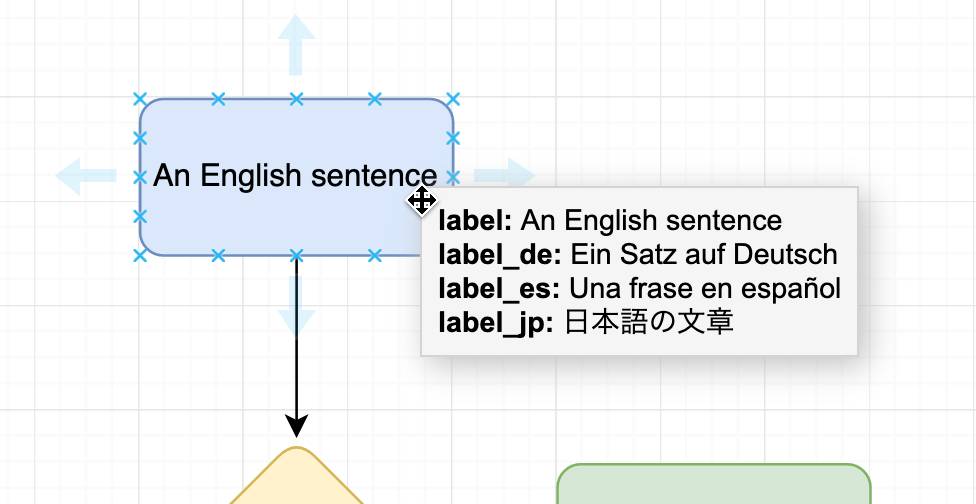
Translate diagrams in the diagrams.net editor
By using URL parameters with diagrams.net, you can add translation properties in the shapes themselves while you work in the diagrams.net. You can switch languages in the editor via the Extras menu.
features
Increase the drawing canvas space
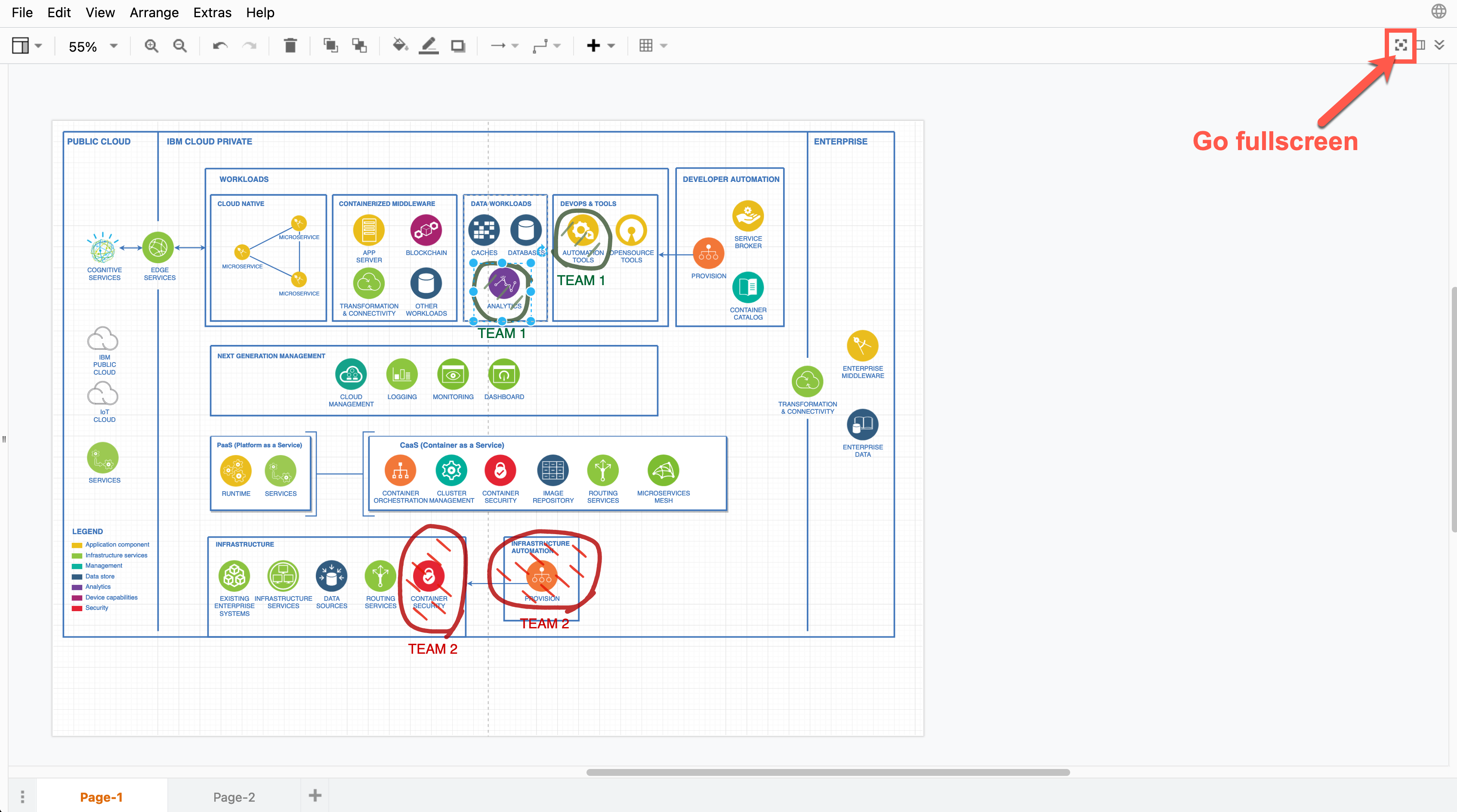
To increase the amount of drawing canvas space quickly in diagrams.net and our draw.io apps, click on Fullscreen in the top right or select View > Fullscreen. The drawing canvas will expand to fill your browser window.
integrations features use cases
Create a mindmap from text with PlantUML
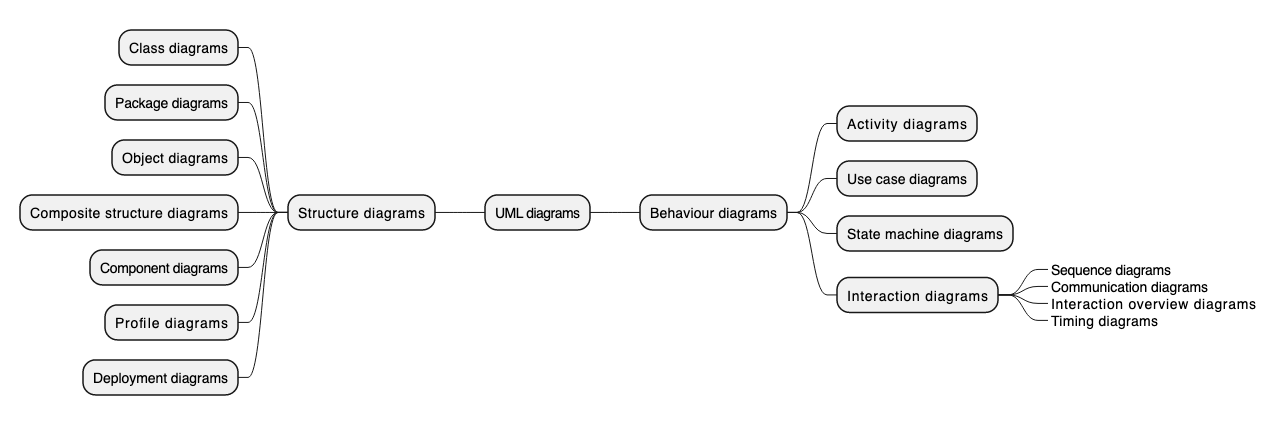
Mindmaps are useful to quickly capture ideas, and are easy to draw in diagrams.net and our draw.io branded apps. But some people prefer to work from text lists when brainstorming. Drop a text list into the PlantUML import tool and diagrams.net will generate your mindmap for you - no need to fuss with connectors or layouts.
features atlassian trust
Configure the draw.io app in Atlassian Confluence Cloud
The draw.io app in Confluence allows administrators to configure a wide range of options, from data governance settings to match your instance, default palettes and shape/connector styles for consistency across teams, to custom libraries and custom templates.
features shapes
Edit shape properties in diagrams
The shape libraries in diagrams.net provide you with a wide variety of shapes and clipart to use in your diagrams. The Style tab lets you quickly style your shapes, but for finer control and complex shapes, you can modify the shape properties.
features atlassian
Gliffy vs draw.io - concurrent editing
TL;DR : Gliffy on Confluence Cloud saves with last write wins, you lose data concurrently editing. draw.io support real-time collaborative editing with cursors.
features
Draw diagrams on a touch screen
It is easy to diagram on a tablet or any other device with a touch screen because diagrams.net is a web application. Point your browser to app.diagrams.net, select where you want to save your diagram file, and start diagramming.
integrations features
Collaborate in real time using diagrams.net
When collaborating in real time using diagrams.net, you now share your mouse cursor. Seeing your team members' cursors makes it easier to ask about or explain something in a diagram or on a quick whiteboard sketch as you work on it together.
features integrations
Diagram in Lark with our open-source editor
We aim to make diagramming as accessible as possible. As draw.io is an open-source application, an increasing range of applications have integrated our diagramming editor or provide an add-in with our diagramming technology.
features shapes connectors
Edit the connection points on a shape
You can now edit a shape's connection points visually with the new connection point editor. Drag the connection points around the shape, add new connection points, and delete those you don't need.
features
Number shapes in a diagram
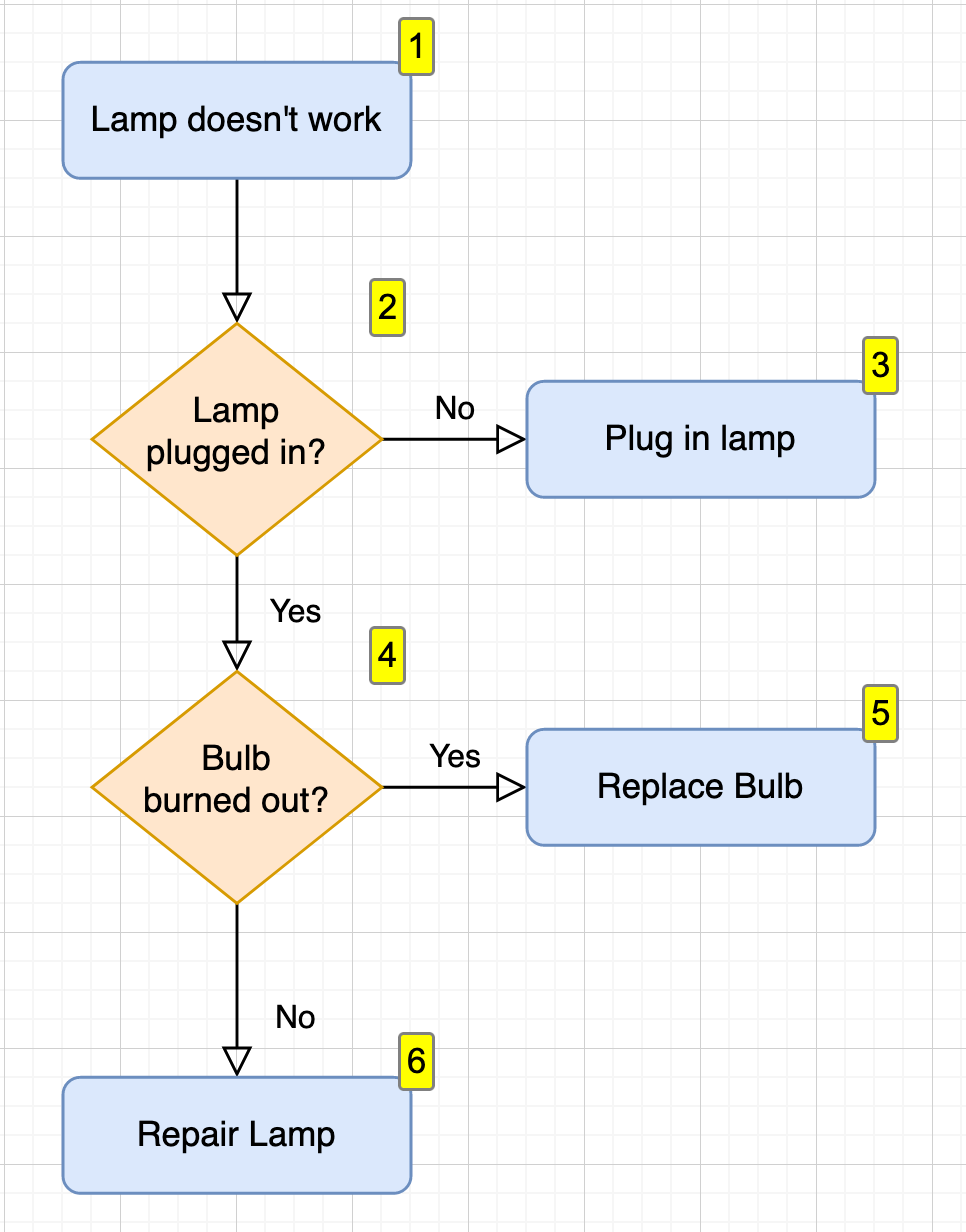
You can now number shapes and connectors in a diagram using the Enumerate shape property. A yellow number label is applied to each shape and connector where this shape property has been enabled.
features
Reporting issues, suggesting features and upvoting
We've recently implemented a number of features, most popularly requested via our drawio Github repository. To reach support at JGraph for diagrams.net and our draw.io apps, please read and follow the instructions on our support page.
integrations trust features
New features and updates in 2021 in diagrams.net and draw.io
This past year has seen a number of new features and big updates to diagrams.net and the draw.io apps, now available on a variety of platforms.
features
Clear the diagrams.net cache to use the newest build
Updates, bug fixes and new features are added to diagrams.net and the draw.io apps for various platforms regularly. It is likely that your browser will use a cached older version of the website by default. To use the newest build, you need to clear any features or diagram editor components in your browser that have been cached.
integrations features
Diagram only in selected GitHub repositories
Previously, you could edit your diagram files and use your GitHub repositories as a storage location as an OAuth app, which required access permission to all of your repositories. The new GitHub Apps offer more fine-grained repository access settings. With the upcoming draw.io App for GitHub, you can choose exactly which repositories you want store your diagram files in.
features integrations
draw.io for Notion Chrome extension
You can now create and store your diagrams directly in Notion pages using the draw.io for Notion extension for the Chrome, Opera and Edge web browsers. The draw.io for Notion extension uses the whiteboard-like simple editor theme, and resizes the embedded image displayed in your Notion page automatically to display your entire diagram.
features use cases
Complex diagramming on an online whiteboard
Many people prefer a minimal interface for diagramming, as there are fewer distractions. While online whiteboard applications often have a limited set of available tools, diagrams.net lets you use its advanced features in a less cluttered diagram editor theme.
features integrations
Import diagrams from Lucidchart EDU to diagrams.net
Lucidchart recently limited their free education plans, Lucidchart EDU, for students and teachers to only 3 editable diagrams. That means that all of the diagrams after your most recent three diagram files are set to read only, unless you switch to a premium subscription.
features shapes
What can you do with shape data in diagrams?
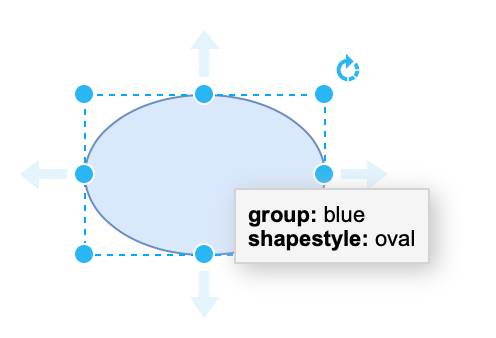
The shapes, connectors and text elements in your diagram are described in XML - their sizes, locations, groupings, shape styles, z-order on the drawing canvas, and how they are connected to each other. You can attach much more information than this to create richer diagrams and interactivity, including tags, tooltips, links, custom shape properties and more.
features integrations
Import diagrams from Gliffy Online to diagrams.net
Gliffy recently removed their free tier offering in their online version. This means if your trial version has expired, you will no longer be able to edit up to 5 diagrams that you have created, unless you start a paid subscription.
features integrations
Edit diagrams directly in GitHub with diagrams.net and github.dev
For developers, github.dev allows you to edit files stored in GitHub repositories in a web-based code editor. It has many of the benefits of Visual Studio Code - search, syntax highlighting, and a source control view. After installing the unofficial draw.io extension for Visual Studio Code into the web-based editor, you can quickly navigate, view and edit diagram files stored in your GitHub repositories without ever leaving your browser.
features
Use tags in diagrams to select, hide and display related shapes and connectors
You can now use tags on shapes and connectors which allows you to select, hide or display multiple elements in your diagram. With tags, you don't need to group shapes into a fixed combined shape, or place them on one layer before you select, hide or display the tagged shapes.
features integrations
Embed diagrams in WordPress as SVG
You can embed SVG versions of your diagrams in a WordPress blog post or page. SVG images are quick to load when compared to other formats, and can include your diagram data if you want to allow viewers to download and view a copy of the diagram in the diagrams.net free editor.
features
Using pages as backgrounds
One of the most requested features for diagrams.net and draw.io was the concept of using one or more pages as backgrounds for other pages. This could be a background graphic to provide a consistent branding across your diagrams. Another popular use case is more technical diagrams where each page displays a border with an information block in a specific format and dimensions.
features use cases
How to use sketch.diagrams.net as an online whiteboard
This diagrams.net Sketch editor theme has an endless whiteboard-style canvas and is ideal to use as a collaborative online whiteboard with your remote team. The lack of page and grid lines, along with the simple toolbar, minimised panels and the default hand-drawn rough style for shape outlines, shading, connectors, and text labels feels like an informal physical whiteboard, much less intimidating than traditional diagramming apps.
features use cases
Plan, design and track projects with diagrams in remote teams
Teams in different departments use many different methods to plan projects, but most of these plans are initially sketched on a whiteboard. Collaborate in real time and online with distributed team members, customers and stakeholders easily in the diagrams.net whiteboard-like editor theme throughout your project development process.
features atlassian
Differences between draw.io for Confluence Cloud and Data Center/Server
There are very few differences between the Cloud and Data Center/Server versions of draw.io for Atlassian's Confluence. If you know how to create diagrams in draw.io on one, you know how to use it on the other!
features atlassian
An online whiteboard for Confluence with draw.io
With remote working on the rise worldwide, online replacements for analog tools like the whiteboard are increasingly needed. With the draw.io app for Confluence, your teams have an easy-to-use, collaborative online whiteboard, directly in Confluence, that can be used for agile brainstorming, story mapping, mockups, project planning and tracking, flowcharting, and more.
features atlassian trust
draw.io is now an Atlassian Cloud Fortified app
JGraph is pleased to announce that draw.io is the only secure diagramming application to meet Atlassian's new Cloud Fortified standard.
features
Export images of diagrams directly from the lightbox viewer
When you look at a diagrams.net or draw.io diagram in the lightbox viewer, and not in the app.diagrams.net editor, hover the mouse over the diagram to see the viewer toolbar. Click on a tool to select which layers to display, zoom in and out, and step through the pages in a multi-page diagram. You can also export your diagram as a PNG image and print the diagram directly from the diagrams.net lightbox viewer using these tools.
features shapes connectors text
Move shapes forwards and backwards on the drawing canvas
In addition to sending shapes to the back or bringing them to the front, you can now step shapes backwards and forwards when the overlap each other.
features
Change the drawing canvas grid
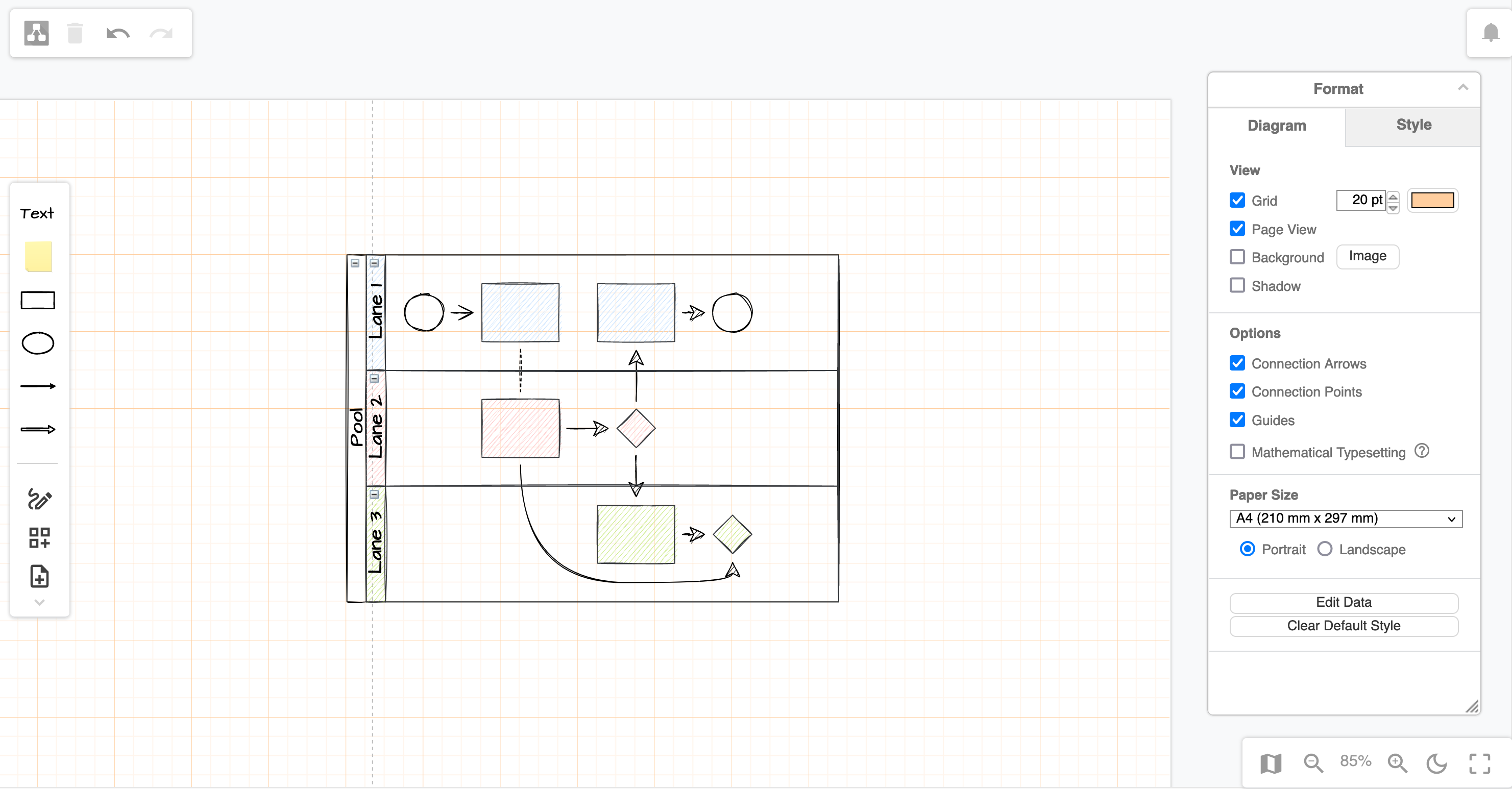
The drawing canvas in diagrams.net has a number of features that help you align and space shapes and connectors in your diagram. By default, it also indicates how your diagram will appear when printed across one or more pages, dependent on page size and orientation.
features atlassian
Diagramming in a free Confluence Cloud instance
diagrams.net and the draw.io branded Atlassian integrations are the leading solution for web based sketching and diagramming functionality. The article describes the draw.io integration for Confluence that we, JGraph, build, deliver and maintain alongside the online diagrams.net and desktop tools.
features templates
Template diagrams with previews, subcategories and search
You can now search for template diagrams and preview templates in the template library at diagrams.net. The new subcategories make it easier to find a specific template diagram in categories with many diagrams, such as the cloud infrastructure templates.
features atlassian
Embed Confluence diagrams in Jira Cloud with the draw.io app
You can now embed draw.io diagrams stored in Confluence Cloud in your Jira Cloud issues. This is a new feature for our integration with Confluence Cloud, delivered as part of our draw.io brand.
features shapes
Draw freehand shapes and annotate diagrams
When you draw a freehand shape in diagrams.net, it is saved as an image with a transparent background on the drawing canvas by default. You can change the freehand-drawn shape's style like you would many other shapes: line colour, fill colour, opacity and more. You can also resize, flip and rotate your freehand drawing.
features atlassian
New draw.io Board macro for whiteboard-style diagrams in Confluence Cloud
Embed whiteboard-style diagrams in Confluence Cloud pages with the new draw.io Board macro. The Board macro is a new feature for our integration with Confluence Cloud, delivered as part of our draw.io brand.
features
Embed diagrams in PowerPoint
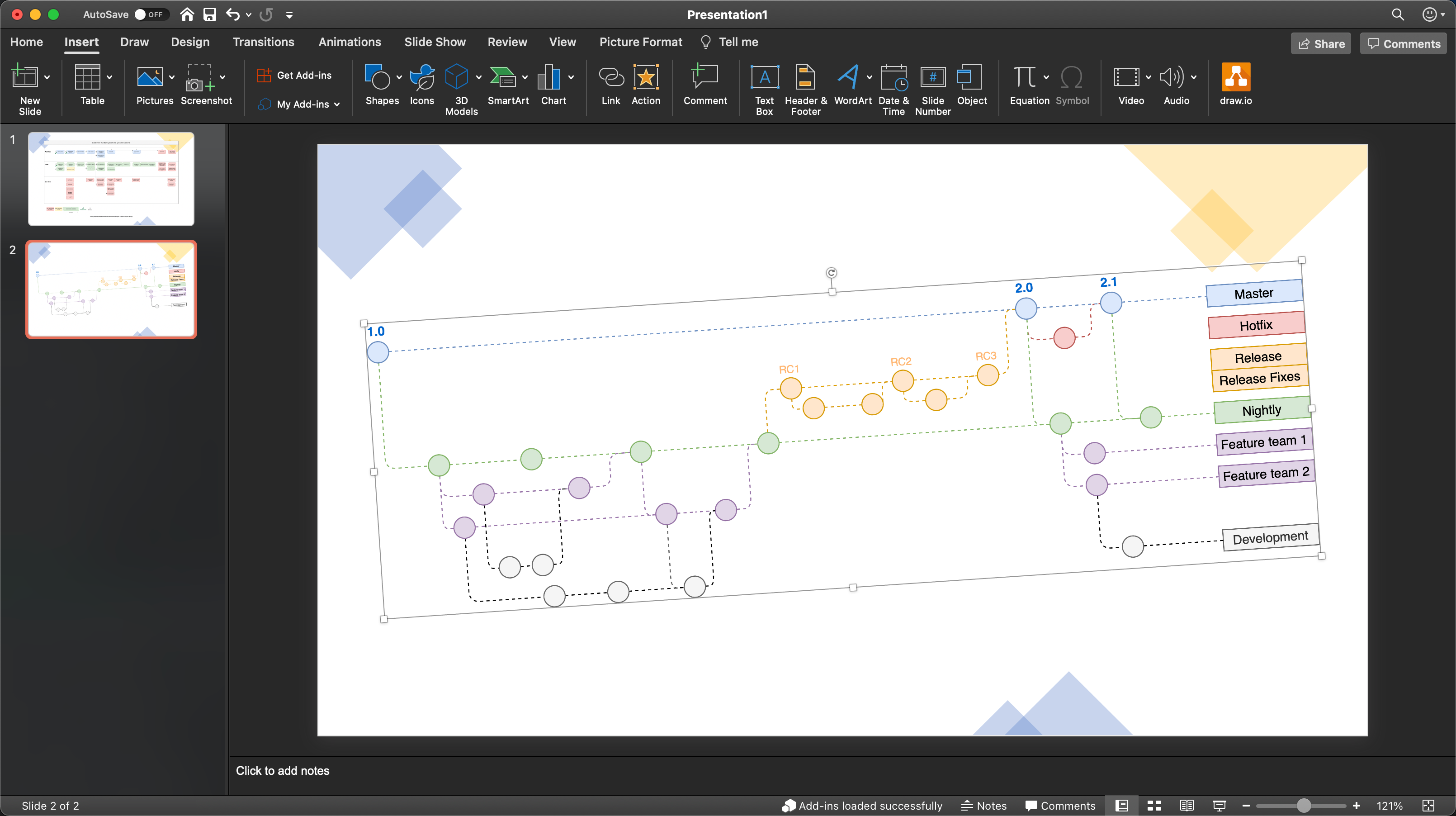
Embed images of your diagrams in Microsoft PowerPoint slides with the free draw.io branded add-in. The add-ins can be used in all Microsoft 365 Office applications on both Windows and macOS, and in older versions of PowerPoint, Word and Excel.
features connectors
Join connectors with the waypoint shape
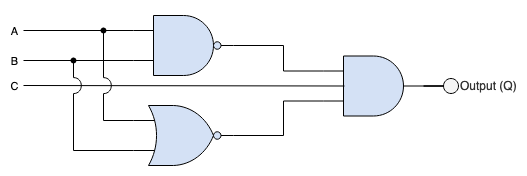
The waypoint shape allows you to join two or more connectors together. In electrical circuit diagrams or logic gate diagrams, it is essential to show contact points where wires are connected, as opposed to passing each other without connecting. Waypoint shapes help you organise and route connectors neatly in tree diagrams, org charts, gitflow diagrams, hold connector lines together in a fishbone (Ishikawa) diagram, and more.
features use cases
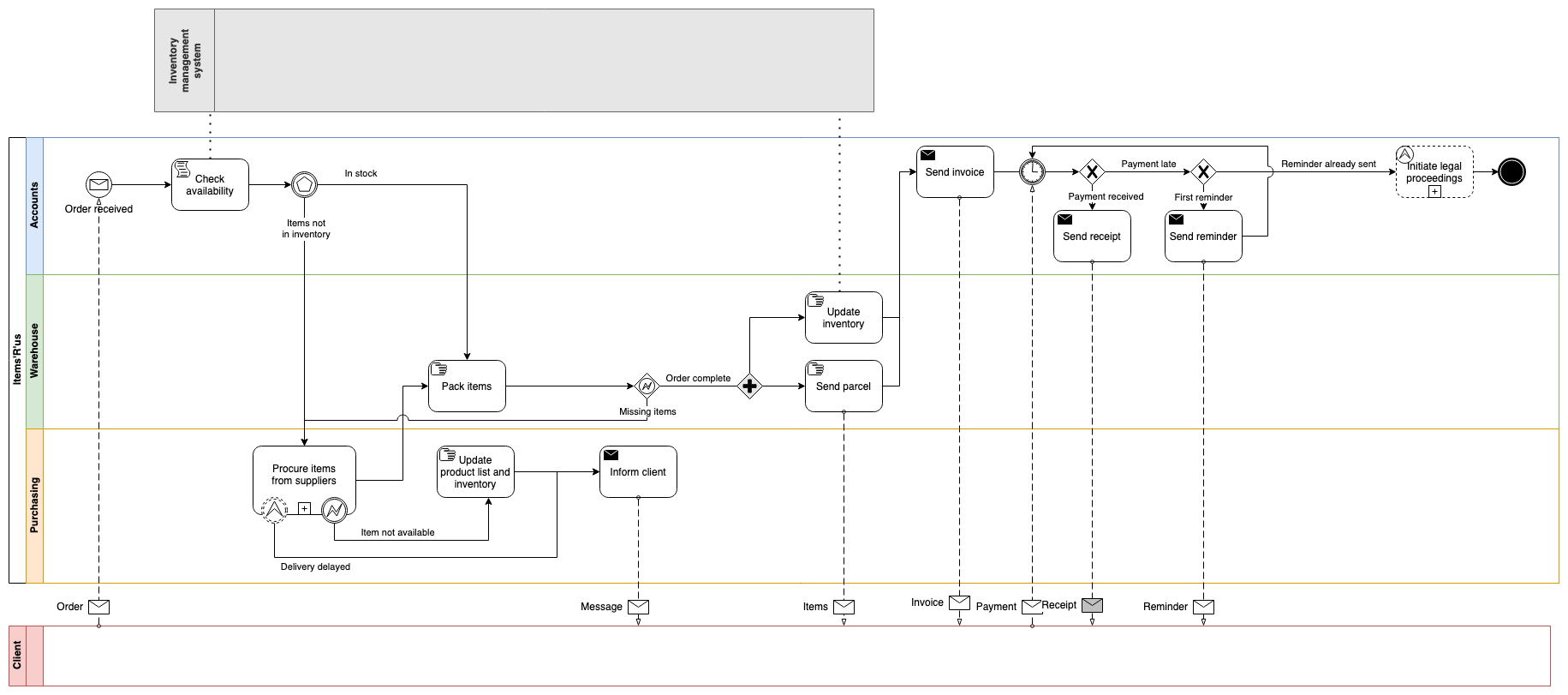
BPMN 2.0 shapes for detailed process flows and choreography models
Business Process Model and Notation (BPMN) is a standardised diagramming system used to visualise business processes. BPMN diagrams are a form of flowchart, similar to UML activity diagrams. While it is typically used by business analysts and managers, its simple and understandable set of shapes and flows makes it a good choice to document processes for stakeholders in any department.
features
Choose a different diagrams.net UI theme
You can customise the diagrams.net editor and choose your preferred theme for the user interface. The UI theme controls which editor elements are displayed, minimised or hidden, including the menu, toolbar, panels and dialog boxes.

features connectors
Draw and style connectors in diagrams.net
Connectors are lines that connect your shapes together and may or may not have arrows at one or both ends. In a diagram, connectors provide context information, showing how the various shapes and entities in your diagram are related.
features use cases templates
Work with entity relationship table shapes in diagrams.net
Entity relationship diagrams or ER models in software engineering show the structure of and relationships between database objects. They are used extensively in database modelling to plan new systems, and document existing systems for maintenance and updates.
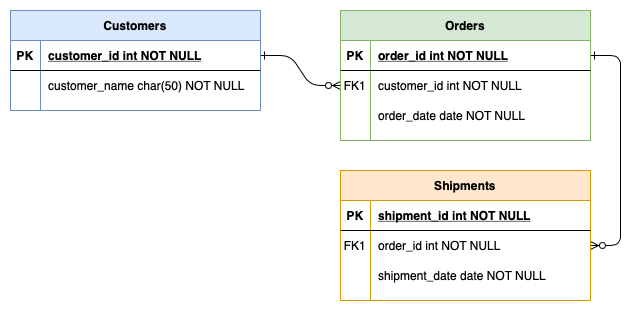
Open this ER model in diagrams.net
features use cases templates
Use swimlanes with flowcharts to show who does each step
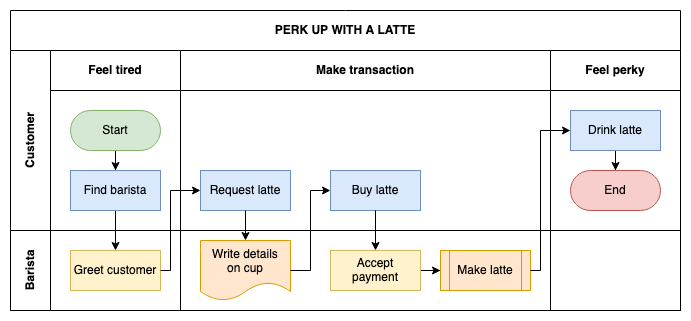
Flowcharts are one of the most common diagram types, showing all of the steps that must be followed to complete a process. Not many processes are limited to just one person or one team, which is why swimlane diagrams and cross-functional flowcharts are used - these show the flow of data or control across different groups.
features
Use diagrams.net with Google Classroom
With most teachers and students now working virtually, as schools have been required to close due to the pandemic, the tools that support online teaching have been drastically improved. Many schools are now using Google Classroom to communicate with students, organise curriculum, and assign and submit assessment digitally.
features use cases
UML 2.5 shape library with updated shapes
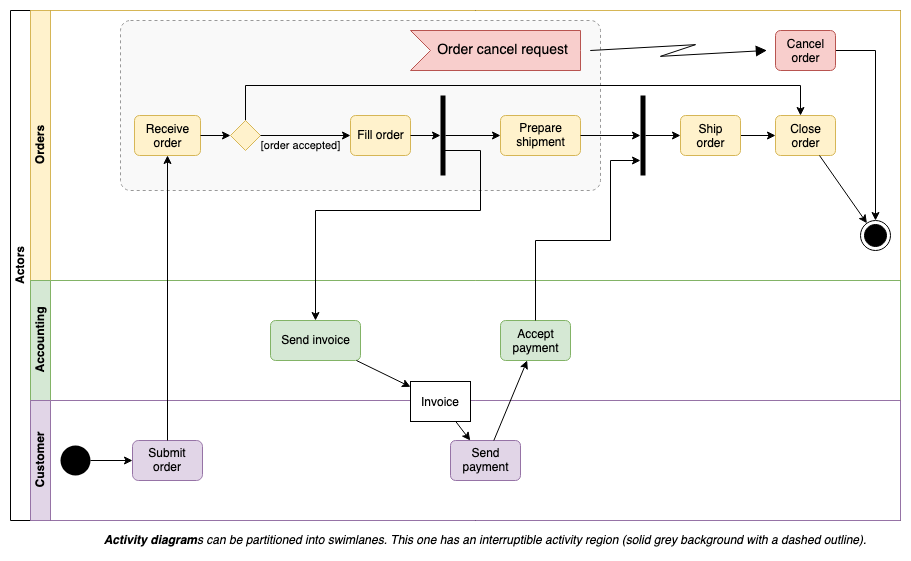
The Unified Modeling Language (UML) is a set of standard symbols and diagram types, commonly used in data modelling, workflow visualisation, and system modelling. UML notation is the defacto industry standard in the fields of software development, IT infrastructure, business systems and other fields. Many languages, such as SysML, SoaML, and a number of architecture frameworks use and extend UML.
features
Create an interactive diagram and toggle layers with custom links
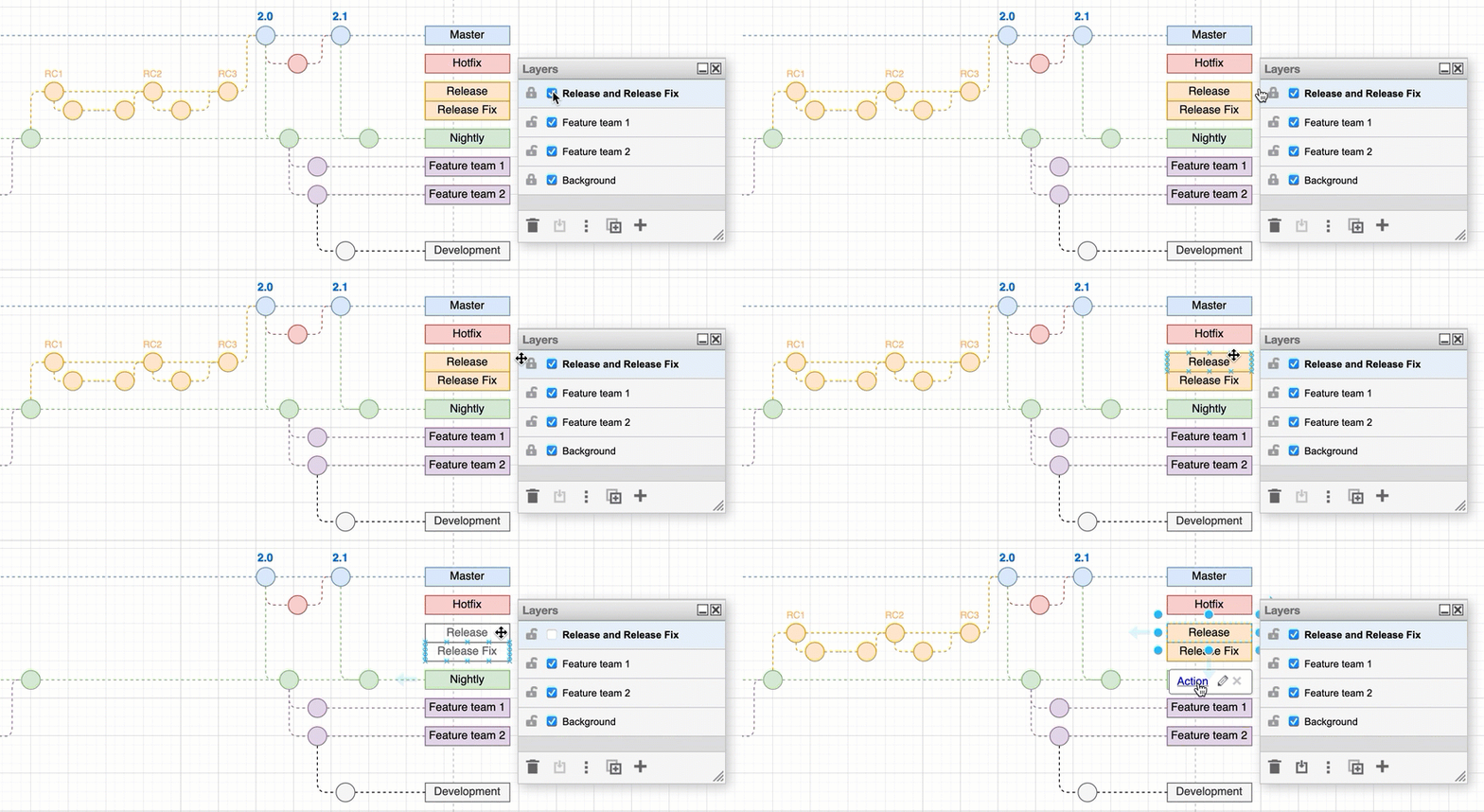
Complex diagrams can be made a lot easier to read and understand when you split them up into logical smaller diagrams on multiple pages, or by using a number of layers.
features integrations
Embed diagrams into Notion from diagrams.net
Notion is a collaboration platform with web, desktop and mobile applications, providing individuals and teams with a range of features for collaboration, documentation and personal organisation: notes, databases, kanban boards, wikis, calendars, and reminders.
features integrations
Insert a diagram from specially formatted CSV data
You can create a diagram automatically from a combination of formatting information and CSV data from a spreadsheet. This may be practical when working with spreadsheet models of various types of data (org charts, attack trees, process flows), or CSV files exported from other programs, for example, modeled network topologies or software dependencies.
features integrations atlassian
Embed diagrams in Confluence Data Center and Server
There are two ways to display diagrams on Confluence Data Center and Server - either attach the diagram file to the page and use the draw.io diagram macro, or embed a diagram that is stored elsewhere using the Embed draw.io diagram macro. You can embed draw.io diagrams easily from the following locations:
features text
Align text labels inside and outside shapes
You can change the alignment of text labels in shapes and on connectors in a number of different ways. The options below are available in the Text tab of the format panel on the right.
features shapes
Rotate shapes, connectors and connector labels
Shapes are placed on the drawing canvas in diagrams.net using a default orientation. You can rotate shapes into another position as you need.
features atlassian
Search for diagrams in Confluence Cloud and Server
You can use the built-in search features to look for draw.io diagrams in Confluence Cloud, as well as Confluence Server and Data Center. In the following examples, you can see a comparison of how Confluence finds draw.io and Gliffy diagrams.
features atlassian
How to install and insert a diagram in Confluence Cloud
With the draw.io app for Confluence Cloud, you can add diagrams to Confluence Cloud pages and collaboratively edit them. You can reuse one diagram on multiple pages, embed diagrams from cloud storage platforms, and cut down on the time spent maintaining multiple copies of the same diagram.
features shapes
Automatic layout shapes for flow charts, tree diagrams and mind maps
The automatic layout shapes in the Advanced shape library in diagrams.net organise your flow charts, tree diagrams, org charts, and mind maps for you as you add and connect more shapes. The automated layout ensures that all shapes in your diagram are spaced evenly, either in a horizontal or vertical format, and will automatically increase or decrease the container shape's size to match the contents.
features atlassian
Collaborative editing in draw.io for Confluence Cloud
Confluence allows you to collaboratively edit the content of its pages: You and other Confluence users will see each others' changes in real-time as you edit the page.
features use cases templates
Use AWS icons to create a free Amazon architecture diagram
Draw your Amazon Web Services (AWS) infrastructure with diagrams.net for free. You don't need to register or sign-up, and you can store your diagrams in your favourite cloud storage platforms, like Google Drive, One Drive, and Dropbox.
integrations features use cases
Embed a diagram in GitHub markdown
You can use a versioned diagram in a GitHub README file in a number of different ways, and include links to edit the diagram or use it as a template for a new diagram.
features
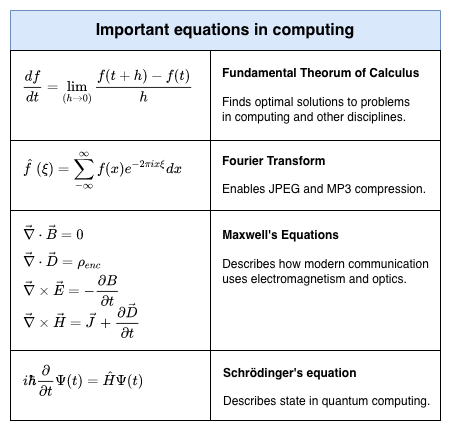
Maths equations in diagrams
You can add maths equations to your diagrams by enabling mathematical typesetting via the diagrams.net menu. When you enter an equation into a text shape or label, enabling mathematical typesetting will use MathJax to render your equation. MathJax renders equations neatly and works in all browsers.
features shapes connectors
Support for hand-drawn diagrams with rough.js
A more relaxed and informal style for shapes, fills and lines is often used in infographics, teaching materials, maps and reports so that the diagrams are little less sterile and boring. The rough style adds a hand drawn shading options, rough outlines and connectors, and handwritten text labels.
features shapes
Improved table shapes
Tables have been overhauled in diagrams.net to be much more flexible and robust than the old HTML tables you previously used. With the new tables, you can choose from various layouts, drag to resize rows and columns, move rows by dragging them, and build cross-functional flowcharts within a table and its cells.
features connectors
Work with waypoints on connectors
Connectors show how the different shapes in the diagram are related. In complex diagrams, you are likely to have many overlapping connectors. While line jumps are useful when you have one or two connectors that cross but shouldn't intersect, you can change the path that your connectors take to make your diagram clearer by adding extra waypoints.
features
Go to diagram.new to create a new diagram
You can now create a new diagram even faster by going to diagram.new or diagrams.new instead of having to remember the full app.diagrams.net address.
features
Simple draw.io embedding walk-through
You can embed diagrams.net as an application within another app, where you store the diagram data in the host app. It takes around 15 minutes to get a basic example running.
features
Embedded XML in PNG image files
The PNG image file format supports embedded metadata in a number of ways. diagrams.net can export a PNG image of your diagram and include the diagram itself in the image, by including the XML code in the zTxt section of the image file.
features
Export diagrams to PDF files
There are many reasons why you may want to print a diagram, or save it as a PDF file: floor plans with emergency routes or conference booth layouts, infographics, business plans and BPMN diagrams, or infrastructure and rack diagrams when you don't have a tablet on hand for easy reference.
integrations features use cases
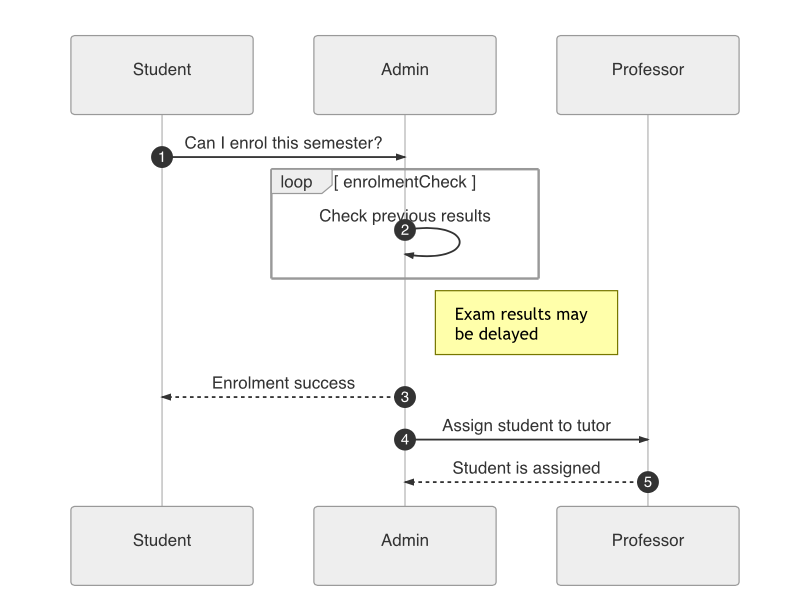
Use Mermaid syntax to create diagrams
Mermaid is a syntax similar to Markdown where you can use text to describe and automatically generate diagrams. With Mermaid's Markdown-inspired syntax, you can generate flow charts, UML diagrams, pie charts, Gantt charts, and more.
features
Work with custom shape libraries
Custom shape libraries let you add the shapes, images, clipart, groups of shapes, custom shapes, and even entire diagrams to your own shape library to make diagramming faster and easier.
features shapes connectors
Use keyboard shortcuts to work faster with styles
There are a large number of keyboard shortcuts that let you create diagrams faster and more easily with diagrams.net. One of the more common and time-consuming tasks when you create a diagram is styling shapes and connectors.
features atlassian
Diagrams attached to Jira Server issues are now versioned
Versioning is built into Confluence, and diagrams attached to pages using the draw.io app for Confluence takes advantage of this. When you edit a diagram, the draw.io app creates a new page version so you can easily restore an older version of your diagram.
integrations features
How to use diagrams in Google Docs
The free diagrams.net add-on for Google Docs lets you embed your diagrams into your documents. When the diagram files have been updated via your Google Drive, all you need to do is update them inside your document to show those changes.
features text
Insert from text to create tree and entity diagrams
Several features in our diagram editor let you create diagrams automatically from simple text statements.
features shapes
Work with placeholders in labels and tooltips
Each shape in a diagram can contain metadata or custom properties - extra information about those shapes.
features text
Using external or custom fonts in diagrams.net
If you don't want to use the fonts that are available by default in diagrams.net, you can use your own custom fonts or external fonts, such as Google's fonts or web fonts stored on your own server. This is useful when you need to match the style guide of a publication, your company's corporate image, or to add interest and emphasis in an infographic.
features
Add multiple pages to your diagrams
Some diagrams can get very large and complex, for example, business processes, UML diagrams, floor plans, or even large brainstorm mind maps and hierarchical tree diagrams. These diagrams are often more readable when they are broken into smaller component diagrams.
integrations trust features
Use diagrams.net desktop to diagram offline
diagrams.net desktop is a downloadable security-first diagramming application that runs on Windows, MacOS and Linux. Creating diagrams in the desktop app doesn't need an internet connection. This is useful when you are disconnected or when you must create diagrams in a highly secure environment, where data protection is of the utmost importance.
integrations features
Secure GitLab support with direct client authorisation
You can store your diagrams in GitLab after authorising access to your account and repositories - diagrams.net will never see your GitLab password.
integrations features
Secure GitHub support via OAuth
diagrams.net supports GitHub using OAuth - diagrams.net will never see your GitHub password.
integrations features
Share diagrams via Google public links
You can share and collaborate on diagrams with anyone, either inside or outside of your company, when they are stored as public files in your Google Drive account.
features use cases
Insert from SQL to create an ER diagram
Entity relationship diagrams show how data is structured in relational databases. Each entity consists of rows of attributes. ER diagrams are used in software development and by IT workers to design and document database structure.
trust features
Your diagram data is secure and private
diagrams.net is a unique security-first diagramming tool in that we provide the application platform, but your diagram data only lives in your browser on your local device while you are working on it. Upon saving, your diagram data will be stored at the location you have chosen: in your cloud platform, on your local device, in GitHub, or to whichever integration you have selected. Your diagram data is never sent to our servers when you save your diagram.
features
Several ways to connect shapes
You can connect shapes using the mouse, or the keyboard, or a combination of mouse and keyboard. By cloning shapes, you can add a shape and automatically connect them.
features
Placeholder labels respect scope
You can define custom properties for the shapes and connectors in your diagrams. This shape metadata can help explain your diagram to viewers. For example, the tooltips that can appear when you hover over a shape are one such property.
features
diagrams.net import formats and sources
As diagrams.net aims to become the de facto diagramming tool, used by everyone around the world, it's important to be able to import from a variety of file formats and from a number of storage locations.
features shapes
Disable resize children to resize grouped shapes individually
Normally, when you resize a group of shapes, all of the shapes are resized proportionally, and maintain their positions in relation to each other.
features
Export diagrams as SVG images
SVG images load quickly, especially when compared to loading diagram images in other formats. You can embed an SVG image exported from diagrams.net in a website, document or even a WordPress site if you have installed a plugin that support the upload of SVG files.
features connectors
Snap connectors to an anchor point
Floating connectors are easy to create - drag a connector from one shape, hover over another shape until the outline is blue, then release.
features
Export a diagram to HTML
You can embed a diagram in a web page or in any online platform that can render HTML. While some third-party integrations can embed diagrams more efficiently (in WordPress, for example), embedding a diagram as HTML may be a good option. You can also share these HTML diagram files with others.
features
Publish a diagram as a link from Google Drive
Publishing a diagram that you have saved on Google Drive as a link makes it easy to share them with people on forums, via chat apps or by email.
features shapes
Click to add shapes to the drawing canvas
Instead of dragging shapes from the shape library in to the drawing canvas, you can quickly add them by simply clicking on the shape. This makes it faster to add a lot of shapes to the canvas at once, and then place, style and connect them later.
features
Export a diagram to a URL
diagrams.net makes it easy to share your diagrams. You can even encode it in an URL if your diagram is smaller than a certain size. When someone clicks on the (very long) URL, they will open the diagram in the diagram viewer. From there, it's easy to print or edit their own copy of the diagram - your original diagram will not be changed unless you specify otherwise.
features
Use the online diagram viewer to share .drawio, VSDX, Gliffy, and Lucidchart diagrams
You can share diagrams easily, open and edit them, no matter whether those diagrams are in .drawio, .vsdx, .vdx, .gliffy or .lucid file formats, by using diagrams.net as a free, online diagram viewer.
features
diagrams.net supports Google shared drives (Team Drives)
You can store and collaborate on diagrams using your company's shared drives in G Suite, previously known as Google Team Drives, in the same way as you can use your personal Google Drive with diagrams.net.
vineyardfroin1936.blogspot.com
Source: https://www.diagrams.net/blog/features
Belum ada Komentar untuk "draw io tutorial tree container"
Posting Komentar